
Helping Refugees Starts With Paying Attention (and How You Can Get Involved)
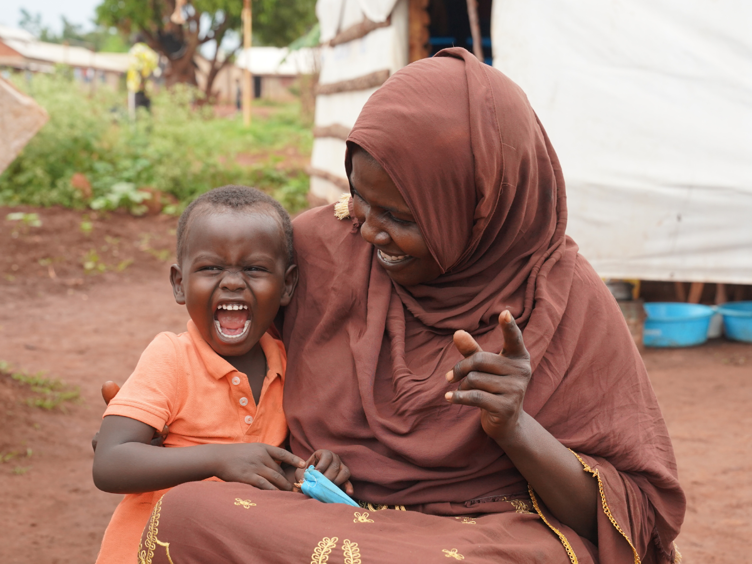
Photo credit: © UNHCR/Ssozi Mukasa Daniel
Even in 2026, where it feels like we’ve seen it all, some stories hit you like a wave.
You think you’ve got your footing, and then they pull you in deeper. The world right now is full of those waves: millions of people forced from their homes by conflict, climate shocks, and instability are living in limbo. It’s not abstract numbers on a screen. These are human beings with dreams, fears, families, and futures that matter.
According to the United Nations, more than 122 million people around the world are forcibly displaced, and about 42.7 million of them are officially recognized refugees. That means one in 67 people has been uprooted by violence, persecution, or disaster. Many of them are waiting for the world to show up. Via Ipsos
Before You Scroll Past
Pause for a moment and think about that. One in 67 people. Refugee crises aren’t distant; they ripple into so many parts of our global community. And while that number is big, the stories behind it aren’t faceless, they’re deeply human.
Take the villagers in Vaphai, India, for example. In a border town just miles from conflict in Myanmar, people with limited resources built a relief camp for families fleeing violence next door. They shared what little they had—shelter, food, basic care—without fanfare, driven by compassion and shared humanity. Via The Times of India
And closer to global headlines, refugees in Niger’s Agadez humanitarian center have been protesting for over 400 days, demanding dignified living conditions, medical care, and a chance at a meaningful future—despite harsh desert conditions, limited services, and systemic neglect. Via Wikipedia
These aren’t “other people.” They are people putting everything on the line for hope.
How the World Is Responding
There’s good news alongside the heartbreak. Some countries and organizations are stepping up:
Colombia recently granted temporary protection status to millions of Venezuelans, giving them access to work, education, and health care for years—an example of policy rooted in dignity. Via UN Refugees
International organizations like the International Rescue Committee are calling for increased funding and smarter humanitarian action to protect health, safety, education, and economic wellbeing for displaced families around the world. Via Front page - US
Health campaigns like a major cholera vaccination effort in Rohingya refugee camps in Bangladesh are protecting the most vulnerable from deadly diseases, showing how combined global and local efforts can save lives. Via World Health Organization
And remember, public support for refugees still runs strong globally, with majorities across many countries believing that people fleeing danger should have the right to seek safety—even in a tumultuous world. Via UN Refugees
So What Can We Do?
Here’s the part where it stops being just “something out there” and starts being something we can influence:
1. Educate yourself and others
Awareness is the foundation of action. Too many people have never heard about crises in places like Cameroon, Burkina Faso, or Somalia—a reality that only increases suffering when voices go unheard. Via The Scottish Sun
2. Support trusted organizations
Groups like USA for UNHCR, UNHCR, IRC, CARE, and UNICEF are doing frontline work. Whether that’s emergency shelter, legal help, medical care, or long-term job training, these organizations turn donations into real impact on the ground.
3. Volunteer locally
While the global challenges are massive, refugees also arrive in communities across the U.S., Canada, Europe, and beyond. Local resettlement groups need volunteers to help with everything from teaching English to navigating job applications and school enrollment. You might be closer to making a difference than you think.
4. Share stories, not just statistics
Numbers matter—but people’s stories resonate. When we talk about refugees as individuals with goals and dreams, we cultivate empathy and understanding. That alone shifts the narrative.
Where We Choose to Give
For the past six years, PJ and I have partnered with USA for UNHCR, the UN Refugee Agency. We’ve seen firsthand how thoughtfully and responsibly they show up for displaced families around the world, often in the most urgent and under-resourced situations imaginable.
USA for UNHCR provides lifesaving support like emergency shelter, clean water, medical care, education for children, and long-term solutions that help families rebuild their lives with dignity. When crisis strikes, they’re there early. And when the headlines fade, they stay.
If you’re wondering where your support can make a real difference, this is a place we trust and stand behind wholeheartedly.
You can donate directly to USA for UNHCR.
***
Reading about people who have fled unimaginable danger, only to face uncertainty on the other side, makes me think about family and home. What would it be like to start over with nothing you’ve known? That kind of perspective does something to my heart.
PJ and I believe in using our voice to lift up stories like these, not to overwhelm, but to remind us why kindness still matters, why helping others is a choice we get to make every day, and why hope is something worth investing in.
Let’s stand with people who are seeking safety, dignity, and a chance to build life again. Because when we help them, we help humanity stand taller.