
How to Recover From Burnout Without Taking a Month Off

There’s a specific kind of exhaustion that doesn’t go away with sleep, no matter how much you get.
You’re not sick. Nothing is technically wrong. But everything feels heavy. You wake up already tired, small tasks feel enormous, and even the things you love feel like they require more energy than you have.
That’s burnout. Plain and simple. And for most of us, the advice to “take time off” feels laughable at best, and impossible at worst. We have jobs, kids, responsibilities, and bills. A month-long reset sounds dreamy, but unrealistic.
So what do you do when you can’t step away from your life, but you desperately need to feel better inside it?
This is what’s actually helped me. Not a total overhaul or a personality change, just small, steady ways to recover from burnout without blowing everything up.
First, name it without dramatizing it
Burnout doesn’t always arrive with flashing warning signs. Sometimes it sneaks in quietly.
You stop feeling curious.
You feel irritable for no clear reason.
You procrastinate things you normally enjoy.
You feel like you’re behind, even when you’re not.
For a long time, I told myself I was just tired or unmotivated or in a funk. Naming it as burnout helped me stop blaming myself. Burnout isn’t a character flaw. It’s a nervous system that’s been in survival mode for too long.
You don’t need a diagnosis to acknowledge that you’re depleted.

Stop trying to “fix” everything at once
One of the biggest mistakes I made was treating burnout like a problem I needed to solve aggressively.
New routines. New goals. New habits. A sudden urge to optimize my entire life.
Burnout doesn’t respond well to intensity. It responds to gentleness and consistency. So instead of asking, “How do I get my energy back?” try asking, “What is one thing I can make easier this week?” Not better, but easier. That shift alone changed everything for me.
Build one small pocket of rest into your day
When you can’t take a break from life, you have to create tiny pauses inside it.
For me, that looked like protecting one small window in the evening where nothing productive was expected of me. No catching up. No self-improvement. No scrolling with guilt.
Sometimes it’s sitting on the couch with PJ after the kids are asleep. Sometimes it’s going to bed earlier than feels reasonable. Sometimes it’s just sitting quietly in the car for a few extra minutes before going inside.
It doesn’t really matter what it is, but it’s about telling your body, “You’re okay to rest now.”
Even 15 minutes a day can start to soften burnout’s grip.

Reduce decision-making wherever you can
I feel this one deeply in my bones. We make approximately a hundred decisions a day, and burnout feeds on constant decision fatigue. What’s for dinner. What needs to be answered. What deserves your attention. What you’re behind on.
One of the fastest ways to recover from burnout is to reduce the number of daily decisions you’re making. We simplified dinners. Repeated outfits. Fewer plans. Fewer commitments that required emotional energy.
This of this less as laziness and more as conservation.
You can always add things back later. Right now, your job is to protect your energy like it matters, because it does!
Lower the bar, then lower it again
Burnout loves perfectionism. It thrives on unrealistic expectations. I had to relearn what “enough” looked like in this season.
Enough parenting.
Enough productivity.
Enough connection.
Some days, enough is showing up. Some days, enough is keeping things moving without falling apart. Letting go of the version of myself who could do it all was uncomfortable. But it was also freeing. I didn’t need to be impressive, I needed to be sustainable.
Reconnect with something that isn’t useful
When you’re burned out, everything starts to feel transactional. Even rest can feel like something you have to earn. One thing that helped me was reintroducing something into my life that served no purpose at all.
Reading fiction. Cooking without documenting it. Watching a show just because it felt comforting. Listening to music without multitasking.
Joy doesn’t need to justify itself. Sometimes it just needs space!
Talk about it without turning it into a crisis
Burnout can feel isolating because it’s invisible. From the outside, everything looks fine.
Naming it out loud with someone you trust matters. Not to fix it or dramatize it, but just to let it be seen.
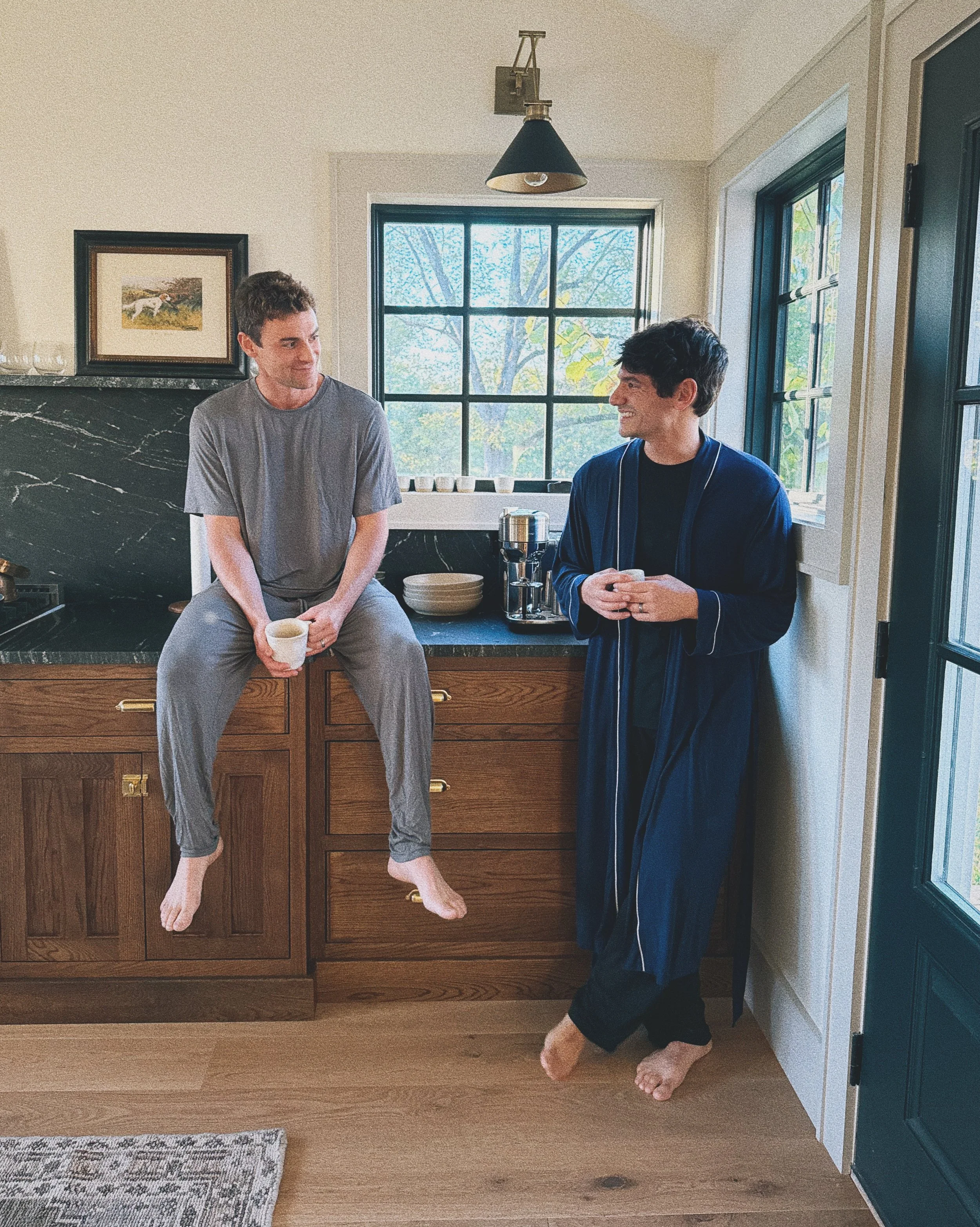
For me, that looked like honest conversations with PJ. Admitting when we felt stretched thin instead of pretending we were fine. Letting someone else carry a little of the weight, which is what a life partner is for sometimes.
You don’t need a dramatic breakdown to deserve support.
Remember that burnout recovery is not linear
Some days will feel better. Some days won’t. That doesn’t mean you’re failing or back at square one. Burnout recovery is slow because it’s not about doing more. It’s about undoing patterns that kept you going when you were already tired.
Be patient with yourself! Be kind to your nervous system! Let progress be quiet and not flashy.
You don’t need to disappear to feel like yourself again
If you’re reading this and thinking, “I can’t take time off, but I can’t keep going like this,” you’re not alone.
Recovering from burnout without taking a month off is possible. It just requires smaller expectations, softer rhythms, and permission to be human inside your real life.
You don’t need a complete reset. You just need room to breathe.